



Whether you’re a seasoned player or just getting started, growing a garden in your favorite farming or life-sim game isn’t just about aesthetics—it’s the key to unlocking one of the more rewarding milestones: the Queen Bee. In many games, she represents a unique progression reward, offering rare resources, buffs, or access to new mechanics like advanced beekeeping, high-tier crafting materials, or special pollination bonuses. But unlocking her isn’t always straightforward. Some players wait in-game weeks without seeing a trace of her, while others seem to attract her effortlessly. It might feel random at first, but the secret lies in how you plan, plant, and manage your garden ecosystem. If you’ve been wondering what triggers her appearance or how to speed things up, these five essential tips will help you create a vibrant, efficient space that the Queen Bee simply can’t resist.
1. Prioritize Flower Variety Early
If there’s one thing that consistently matters across most garden-based games, it’s biodiversity—especially when it comes to attracting rare insects like the Queen Bee. She isn’t drawn to a patch filled with just one or two flower types; she’s looking for a lush, varied environment buzzing with life. Start planting a wide range of flowers as soon as you unlock them—different shapes, colors, and especially seasonal species if your game includes time-based mechanics. Not only does variety improve your odds of triggering her arrival, but it also enriches your garden’s ecosystem, leading to better honey output, more active pollinators, and faster progression overall.
In some games, flower rarity or pollination level may influence spawn chances. For example, rare or hybrid flowers might increase the likelihood of attracting the Queen Bee or other beneficial insects. Make it a habit to rotate your crops and experiment with new seeds whenever possible. Don’t fall into the trap of sticking with early-game staples—diversity is what sets your garden apart and sets the stage for the Queen’s visit.
2. Use Fertilizers Strategically
Fertilizers often get overlooked in the early stages of gardening, but if you’re aiming to attract the Queen Bee faster, they’re absolutely essential. In many games, fertilizers don’t just speed up plant growth—they can also improve flower quality, increase nectar output, and even influence what types of insects or pollinators your garden attracts. Understanding how to use them effectively can dramatically shorten the time it takes for the Queen Bee to appear.
Start with growth-focused fertilizers early on to get your flowers blooming as fast as possible. A fully mature garden has a much higher chance of drawing in bees, and you’ll want as many flowers active as you can manage. Once your garden is up and running, shift your focus to fertilizers that boost flower quality or pollination rates. These are especially important in systems where bees favor higher-grade blooms or where nectar-rich flowers are prerequisites for rare spawns.
Some games even include synergistic effects—for example, certain fertilizers might cause flowers to bloom in unique colors or patterns that are more attractive to rare insects. If your game has a composting or brewing mechanic, try crafting your own organic blends; they often provide better results than store-bought or default versions. Just be sure to reapply fertilizers as needed—most of them have a limited duration, and forgetting to maintain them can stall your progress.
Lastly, don’t forget placement. If your game tracks soil quality or hydration zones, pair your fertilizers with irrigation systems or moisture-retaining tiles to maximize their impact. A well-fed garden is a productive garden—and one much more likely to be graced by the Queen Bee.
3. Keep Beehives Active and Surrounded
Beehives aren’t just decorative or passive income generators—they’re the engine that powers your garden’s entire ecosystem. If your game allows you to craft or place beehives, you should treat them as a core component of your garden layout. In many systems, beehives become more productive—and more likely to attract rare bees like the Queen—when they’re actively surrounded by blooming flowers. But not just any flowers will do.
Make sure you’re placing hives within the effective pollination radius of at least six to eight active flowers. Most games have a specific range (often 3×3 or 5×5 tiles around the hive), and flowers within that zone directly contribute to both honey output and the likelihood of spawning rare bees. The more flowers that bloom simultaneously around a hive, the better. Some advanced mechanics even reward “bee synergy,” where matching flower types with specific hive upgrades improves efficiency or unlocks special bee types.
Design-wise, consider laying out your garden in structured grids or clusters, with each hive at the center of its own floral ring. This ensures maximum coverage without wasting space. If you’ve unlocked different hive types—like wild hives, enchanted hives, or biome-specific ones—be sure to experiment. Certain Queen Bee variants may only appear near specific hive-flower combinations or under special environmental conditions.
And don’t forget maintenance. Some games introduce decay mechanics where neglected hives slow down or stop producing. Make regular checks to refill them, repair them, or replace old units as needed. An active, well-maintained hive network is one of the most reliable ways to increase your chances of seeing the Queen Bee much earlier in your playthrough.
4. Maintain a Day-Night and Seasonal Cycle Awareness
Timing can be everything when it comes to attracting the Queen Bee. Many games incorporate environmental or temporal triggers into their spawning systems, meaning that even if your garden is well-maintained and full of flowers, the Queen won’t appear unless certain conditions are met. Understanding how day-night cycles, weather patterns, and seasonal changes affect bee behavior is crucial if you want to maximize your efficiency.
Start by learning the peak activity times for bees in your game. In some titles, bees are most active during the early morning or midday hours; in others, they may only emerge during twilight or after dark. The Queen Bee herself might have a more specific schedule—some games even tie her appearance to rare events like eclipses, full moons, or the first day of spring. If your game offers a calendar or weather forecast feature, check it daily and plan your gardening tasks accordingly.
Seasons also play a significant role. Spring and summer tend to be the most bee-friendly in most life-sim and farming games, with higher pollination rates and flower availability. Conversely, fall may reduce bloom counts, and winter might shut down flower production entirely—unless you’ve unlocked greenhouses or temperature-controlled zones. If the Queen Bee is season-locked, she won’t appear no matter how ideal your garden is unless the right time of year has arrived.
Weather adds another layer of complexity. Light rain might nourish your plants and encourage blooming, but heavy storms or overcast days can suppress insect activity. Some rare Queen Bee variants may even require specific weather to spawn, such as fog or drizzle, so it’s worth keeping an eye out for unique atmospheric conditions.
Ultimately, the more you align your garden’s rhythm with the world’s natural cycles, the more likely you are to meet the Queen. Track your in-game days carefully, experiment with different weather tools or season extenders if available, and don’t be afraid to leave parts of your garden idle if it means timing your blooms perfectly.
5. Don’t Neglect Garden Upgrades and Automation
As your garden grows, managing it manually becomes less practical—and if you’re aiming to attract the Queen Bee efficiently, scaling up is a necessity. That’s where upgrades and automation come in. Many players make the mistake of focusing only on aesthetics or basic planting, but in most games, investing in tools that enhance productivity behind the scenes is key to sustaining a high-performance, bee-attracting ecosystem.
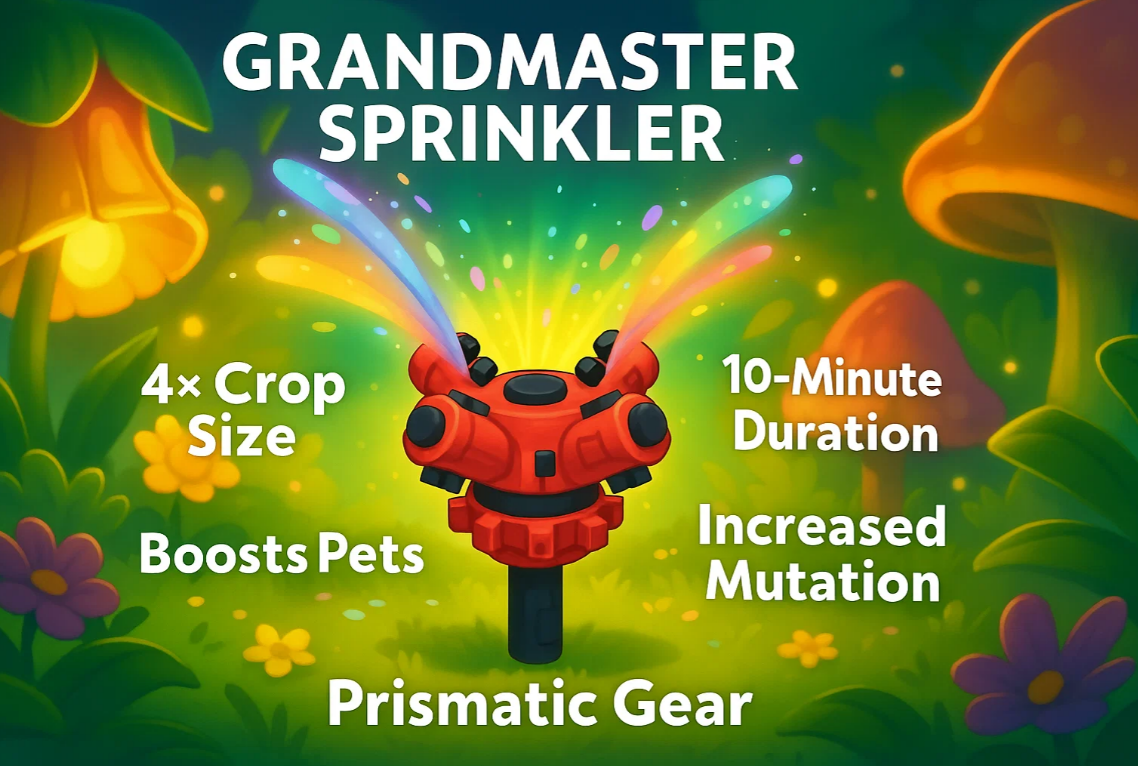
Start by unlocking essential infrastructure upgrades like sprinklers, composters, and automatic harvesters. Sprinklers reduce the need for daily watering, keeping your flowers alive and active even if you miss a day. Compost bins and organic processors can give you a steady supply of powerful fertilizer, making it easier to maintain high-quality blooms over long periods. Automated harvesters or pollination drones (if your game includes them) ensure that mature flowers are consistently refreshed, keeping your garden dynamic and pollinator-friendly.
Some progression systems even reward your garden’s technological level. Reaching certain upgrade milestones—such as fully irrigating your plot, maxing out soil quality, or unlocking advanced hive structures—can shift the garden into a higher “tier,” unlocking new bee types or increasing the Queen Bee’s spawn chance. In certain games, the Queen might only appear once your garden reaches a specific threshold of complexity or prestige.
It’s also worth considering modular layouts as your garden expands. Rather than creating one sprawling patch, divide your garden into zones—each with its own hive cluster, flower type, and automation system. This not only makes maintenance easier but also allows for more controlled experiments. For example, you might dedicate one area to rare hybrid flowers and another to seasonal blooms, observing which zone attracts more bee activity over time.
Lastly, don’t forget to monitor resource flow. A high-tech garden can burn through water, compost, and energy faster than you’d expect. Keeping your support systems balanced ensures your garden remains active without interruptions—because even one missed bloom cycle could delay the Queen Bee’s appearance by several in-game days.
Attracting the Queen Bee isn’t just about luck—it’s about understanding how all the pieces of your garden work together. From choosing the right flowers and placing your hives strategically, to keeping an eye on the weather and investing in smart upgrades, every decision you make brings you one step closer to earning her visit. While each game has its own mechanics, the core principle remains the same: build a thriving, balanced ecosystem, and nature will reward you.
If you’ve unlocked the Queen Bee already, what strategies worked best for you? Did you discover any unique flower combinations or environmental triggers along the way? Feel free to share your tips in the comments—because in the world of garden-building, there’s always something new to learn from fellow players.
If you want to speed up your progress even more, don’t forget to buy Grow A Garden items—they can give you a great boost and help you unlock the Queen Bee faster.